
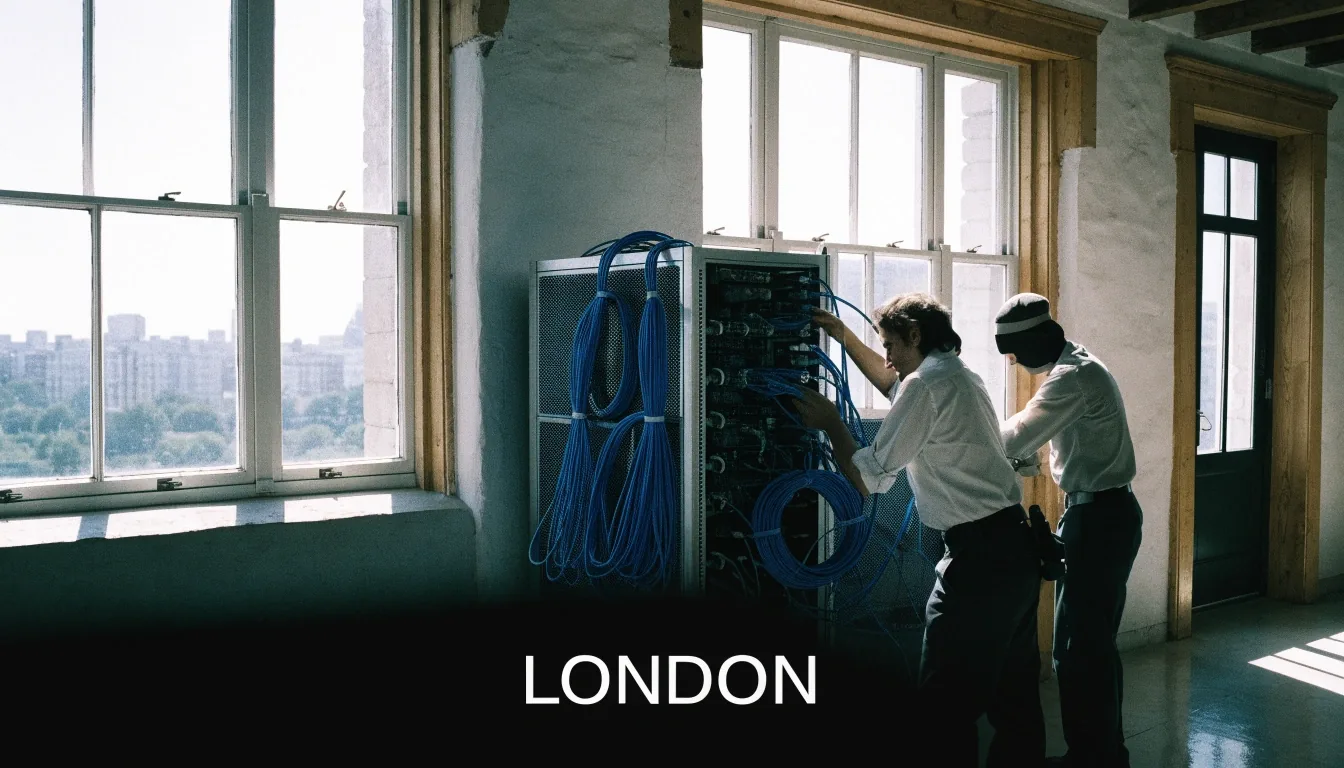
Questions, answered in writing
Software development FAQ for UK businesses
The platform changes. The service keeps running.
This page answers common questions about engagement models, project timelines, security and working with Oakhurst Technologies. If your question is not covered, email [email protected] with the details of your system and timeline. We would rather answer a specific question than give a generic one.
Oakhurst Technologies — 1 Broadgate, London, EC2M 2QS — Mon to Fri, 9:00 AM to 6:00 PM

Engagement models
How do engagement models work?
We offer a fixed-scope first release, a small dedicated team on a monthly cadence, and a time-boxed discovery that ends with a build decision. Each model states scope, costs, change control and handover expectations in writing.
Managed services can be added after go-live or applied to existing systems following an assessment. The right model depends on how well defined the work is and how much internal capacity you have to make decisions — so we will talk that through before anything is priced.
- Fixed-scope first release when the work is well defined
- Monthly team cadence when scope will grow with use
- Discovery when you need a build decision, not a guess
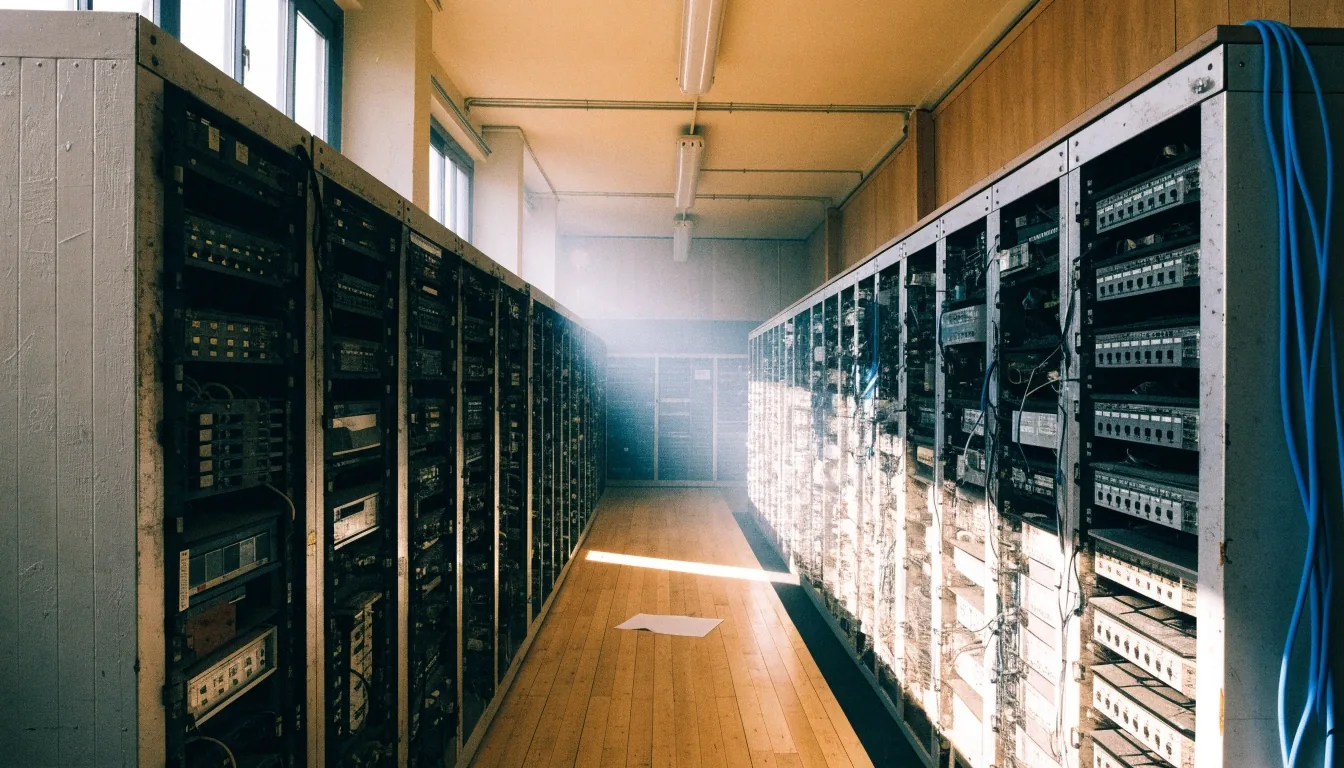
The old rack stays up until the new one carries load
Timelines and continuity
How long does a typical project take?
Timelines depend on scope, dependencies and access to existing systems and data. A discovery phase usually takes a few weeks, including document review and interviews with the people who operate the system. A first release is then planned from those findings, with dates tied to specific deliverables.
We give ranges with assumptions listed, and we update them as facts emerge. A supplier who gives a precise date before discovery is guessing.
Can you modernise a legacy system without downtime?
In many cases yes, if the work is staged and rehearsed. We move components in waves, keep the existing service available until the replacement handles real load, and agree rollback triggers before each cutover. Where a short planned window is genuinely required, we agree it with your operations team in advance and communicate it to users.


Cloud modernisation, measured in waves
All answers
Security, handover and getting started
Open any question below. If the answer you need is not there, the contact page is the fastest route — tell us about the system, who uses it and the dates that matter.
Contact Oakhurst TechnologiesHow do you handle security and data?
We use least-privilege access, separate environments, centralised logging and tested backups. Data processing terms, retention rules and data residency requirements are agreed in the contract and reflected in the design. If your organisation has a security function, we work to its standards. We cannot promise that an incident will never occur; we can show the controls, the test results and the recovery procedures that are in place, and we record them for audit.
Do you work with public-sector procurement?
Yes, including work that requires security questionnaires, accessibility considerations and evidence packs. Procurement routes and deadlines should be shared at the first conversation, because they shape the plan. We are direct about which routes we can meet and which we cannot, and about the preparation work a tender requires. Starting that preparation early is usually the difference between a credible bid and a rushed one.
What does handover look like?
At handover you receive documented architecture, deployment instructions, access lists, runbooks and a list of open items with owners. We walk your team through the system and, where agreed, train operators on incidents and changes. Source code repositories and infrastructure definitions are transferred as agreed in the contract. Our test of a good handover is simple: your team can run and change the system without us, and another supplier could take over from the documentation.
What do you need from us to start?
A short description of the current system or process, who uses it, what needs to change and any fixed dates such as procurement deadlines or contract renewals. Partial information is fine. We will list what we still need to confirm, and discovery is designed to close those gaps efficiently. If we are not the right fit, we will give a brief explanation and point you to the question to ask the next supplier.
Do you provide references or case results?
We do not publish invented testimonials or client results. Our case studies page discusses published market examples and the delivery lessons they carry. We can discuss relevant experience in a conversation, with the limits of that experience stated plainly.
What if our project changes scope during delivery?
Change requests are recorded, priced and approved before work proceeds, and the plan is updated so costs and dates stay visible. Small changes within an agreed tolerance are handled inside the release; larger changes become a new scope decision.
Still deciding
Tell us about the system. We will tell you what we would ask next.
A short description, the people who use it and any fixed dates are enough to start. Partial information is fine — discovery exists to close the gaps.