
OAKHURST TECHNOLOGIES OAKHURST Technologies · London
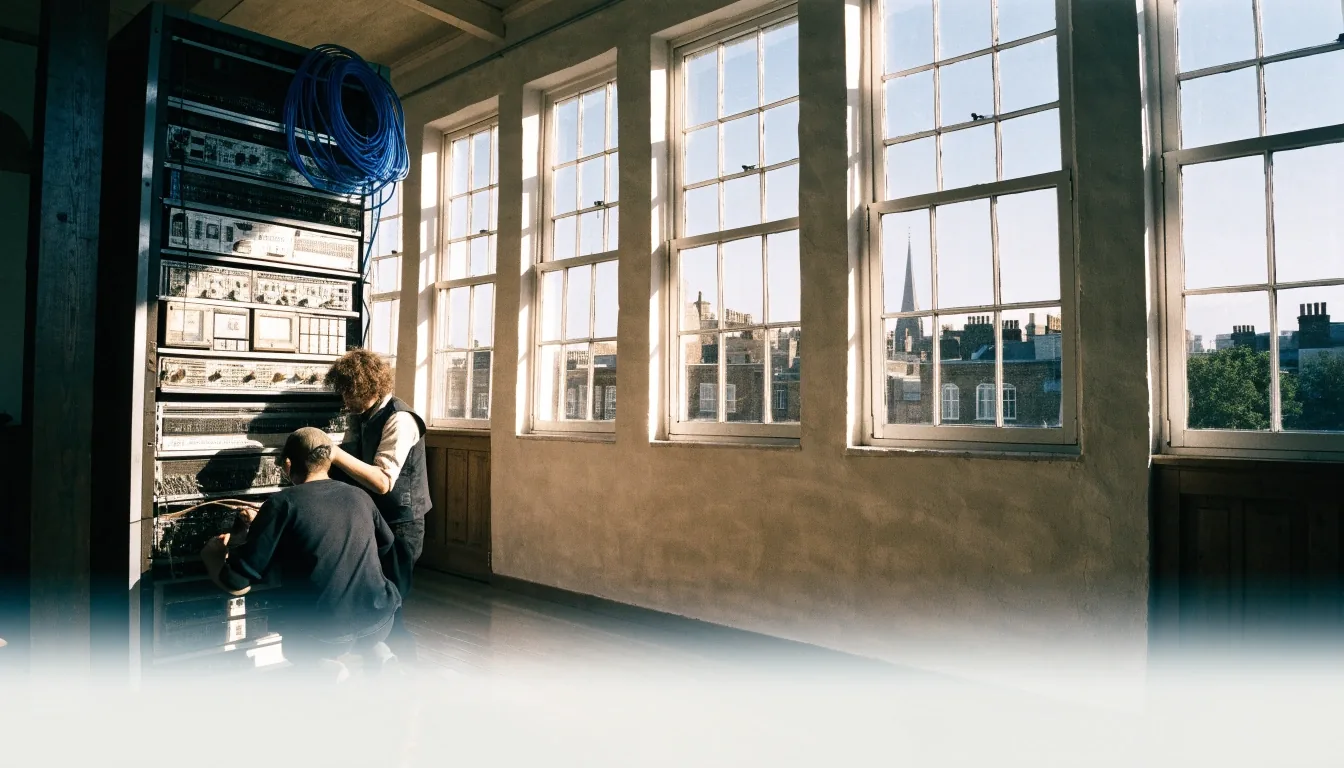
Engineers rewiring a legacy rack in a London workshop in tall-window daylight

Cloud modernisation — London

The platform changes. The service keeps running.

Cloud modernisation means changing how systems are built and operated, not only where they run. We plan change so users are not disrupted — and we start from evidence about the system you have today.

Written findings before any move is recommended

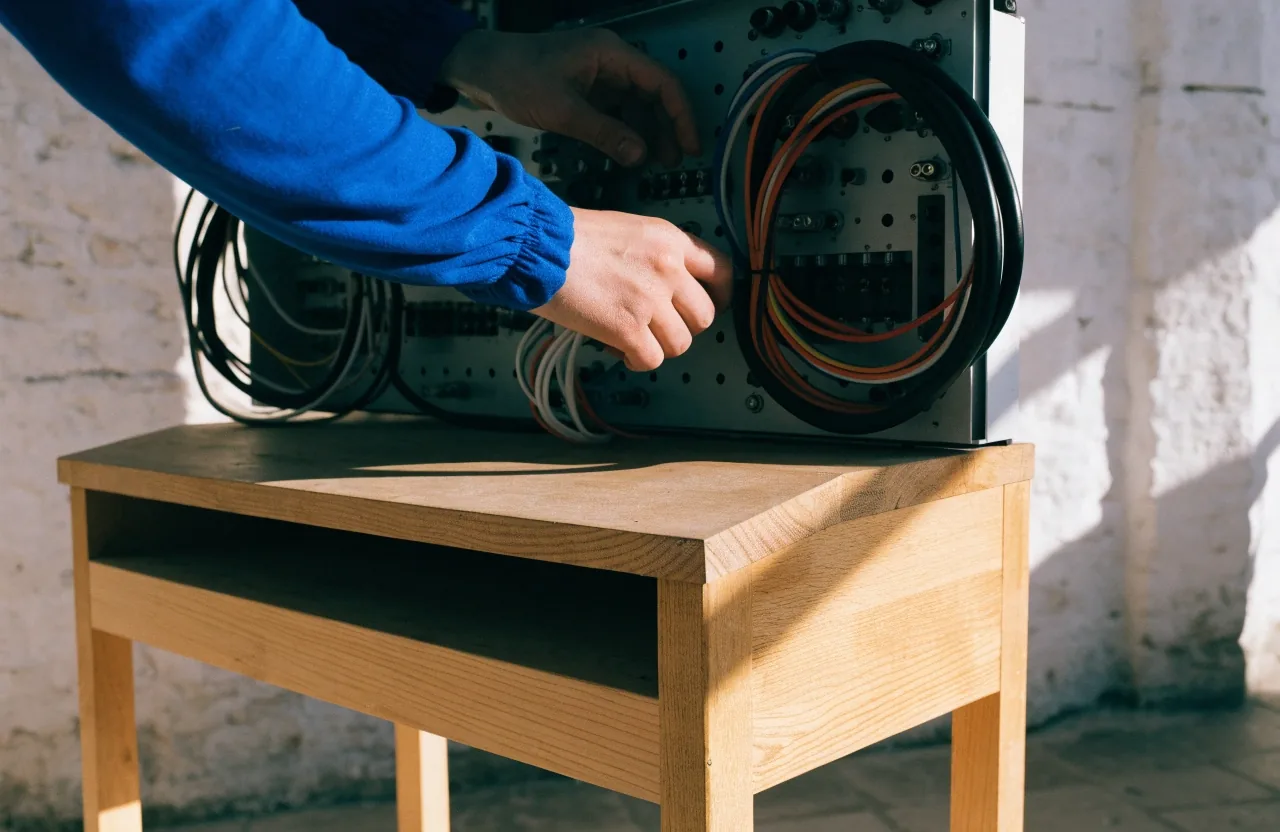
Hands on cabling and a migration bench in a bright workshop
The live service, changed underneath — not stopped

Start with the estate as it is

Cloud modernisation that keeps the service running

This page explains how Oakhurst Technologies approaches legacy systems, cloud migration and cloud-native design for UK businesses, and how we plan change so users are not disrupted. Email [email protected] with your current platform details if you want a first assessment.

Reading a legacy estate before changing it

Legacy systems carry knowledge in code comments, runbooks, supplier contracts and the memory of staff who have kept them running for years. An assessment should cover application dependencies, data volumes, peak usage times and licence obligations. It should also record what is stable and should be left alone.

We produce a written findings summary before recommending any move, so the decision rests on evidence rather than enthusiasm for a target platform.

  • Dependencies between applications, databases and batch jobs
  • Data volumes and peak usage times that shape the move
  • Licence and contract obligations carried into the new platform
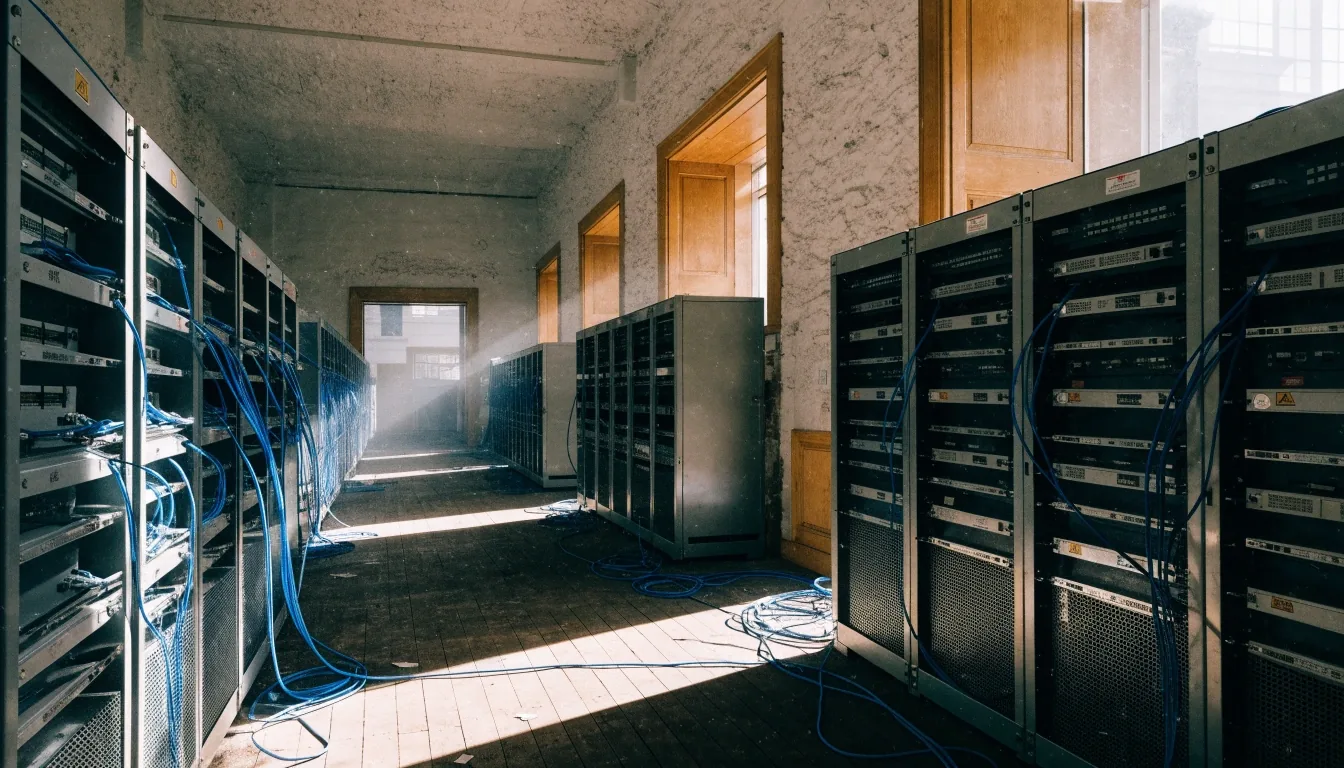
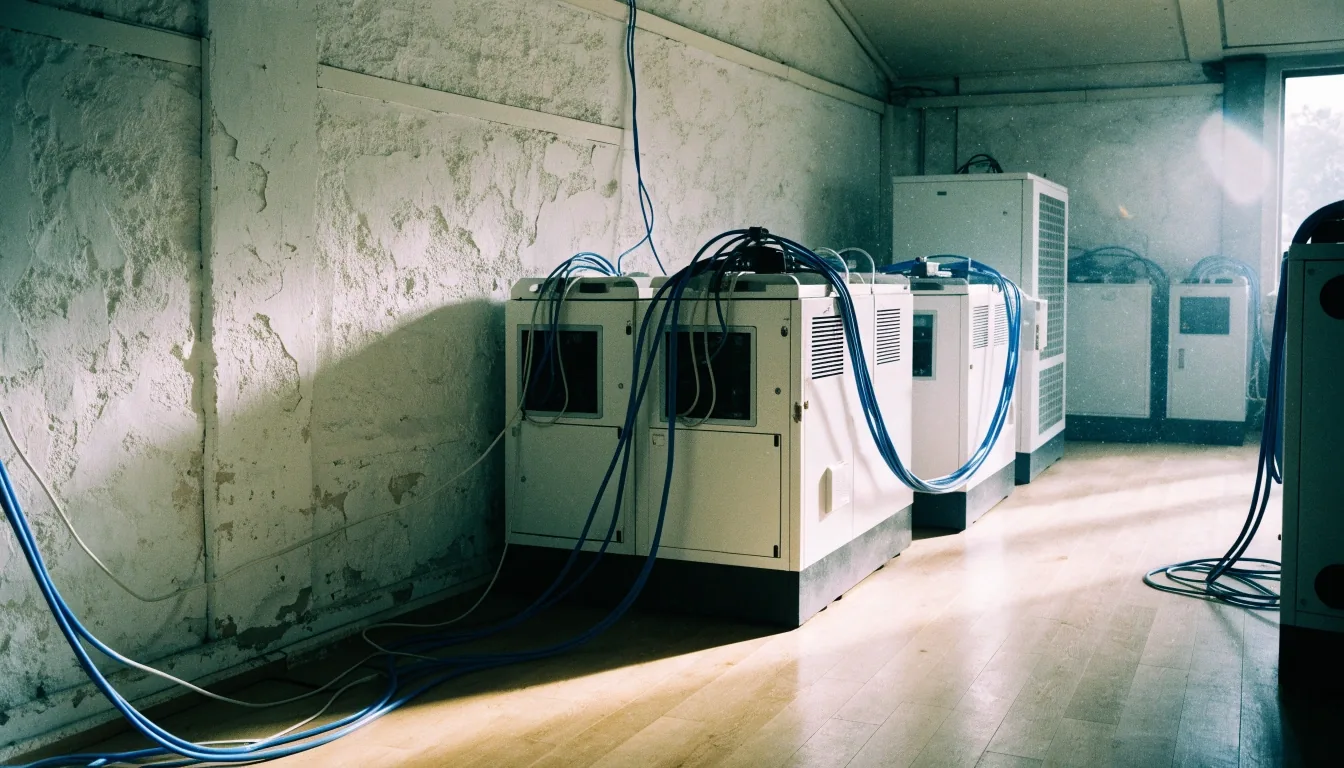
Rows of legacy racks receding into daylight

The estate as we find it

Staged, rehearsed, reversible

Migration without downtime, planned in stages

A migration can be delivered without downtime when it is broken into stages and rehearsed. Traffic, data and batch jobs each move on their own schedule, with the old system kept available until the new one has handled real load.

Cutover windows are agreed with the people who operate the service, including what happens if a stage fails its checks. Channel 5 My5 is often cited in UK comparison content as a streaming platform migration example, and it illustrates the core concern: a live consumer service must stay available while the platform underneath changes.

What each stage carries

  • A rehearsed cutover with rollback steps agreed in advance
  • The existing service held available until the replacement handles real traffic
  • Named operators in the room for the checks that decide go or no-go
Plan a staged migration
Engineers at a bench with a live streaming operations room behind them
Continuity while the platform underneath changes

After the move

Cloud-native design after the move

Cloud-native design means using managed services, automated deployment and infrastructure defined in code where those choices fit the workload. It does not mean rebuilding everything in the newest technology.

Patterns matched to demand

We match patterns to actual demand, including databases that need strong consistency and services that scale unevenly. The result should be a system your team can deploy, monitor and recover with confidence.

Simplicity is a design goal, because an over-complex cloud estate becomes its own legacy problem within a few years.
In practice

  • Managed services where the provider genuinely carries the load
  • Automated deployment and infrastructure defined in code
  • Monitoring and recovery your team can use without us in the room
Discuss cloud-native design
A bright modern equipment hall in daylight

The new platform, kept plain

While both systems run

System integration during migration

During migration, old and new systems must exchange data safely for a period of weeks or months. That overlap needs clear contracts, idempotent processing and monitoring of queues and message ages. We design those bridges explicitly and retire them once the move completes.

Integration debt left in place after a migration is a common cause of later incidents. Each temporary connection should have an owner and a removal date.

  • Clear contracts

    Agreed message shapes and behaviour between old and new, written down before traffic moves.

  • Safe processing

    Idempotent handling so a message delivered twice does not change the result.

  • Watched queues

    Monitoring of queue depth and message age while the bridge is live.

Cyber resilience on the new platform

Moving to the cloud changes the security model: identity, network rules and data access replace physical controls. We set least-privilege access, centralised logging and tested backups as part of the build.

Recovery should be proven by restoring a copy of data and running the service from it, not only by reading a policy. Cyber resilience also depends on patching and account hygiene after go-live, which is why operational ownership is agreed before migration, not after.

  • Least-privilege access
  • Centralised logging
  • Tested restores

Costs shown plainly

Cost and licence realities

Cloud costs depend on usage patterns, data transfer, support tiers and licences carried over from the old estate. An assessment should model normal months and peak periods, and should flag suppliers whose contracts change when the system moves.

We present costs with assumptions listed, so finance can challenge them. A migration that saves infrastructure spending but doubles licence or support costs is not a saving, and the numbers should show that plainly.

  • Normal monthmodelled on typical usage
  • Peak periodmodelled on busiest weeks
  • Carried licencesflagged where terms change

Who owns it after go-live

Release process and operational ownership

A modernised system needs a release process that covers code, database changes and configuration. Database changes in particular need review and rollback steps, which is why tooling in the Redgate tradition of database DevOps is relevant to delivery speed and safety.

Ownership means named people for incidents, changes and supplier management. Where our managed services cover that ownership, service levels are written down. Where the client takes over, we document the runbooks and train the team.

An honest answer

When modernisation should wait

Not every legacy system should be modernised now. A stable system with a contract running for two more years, or a service due for replacement by a standard product, may be better left in place while other work proceeds.

We will say so when the evidence points that way, with the cost and risk of waiting stated alongside the cost of moving. A clear decision to wait, reviewed at a set date, is better than a half-started migration.

The through-line

The platform changes. The service keeps running.

1 Broadgate, London, EC2M 2QS — Monday to Friday, 9:00 AM to 6:00 PM. Email [email protected] or call +44 20 7940 4317.

Contact the modernisation team

Questions we hear first

Two questions, answered plainly

If your question is not covered here, email [email protected] with your current platform details and we will reply with a first assessment route.

Read the full FAQ

How do you avoid downtime during migration?

By moving in stages, rehearsing each cutover, and keeping the existing service available until the replacement has handled real traffic. Every stage has rollback steps agreed in advance.

What does a cloud modernisation assessment include?

Application and data dependencies, licence and contract constraints, security requirements, cost modelling, and a staged plan with risks and decision points. You receive the findings in writing.