OAKHURST TECHNOLOGIES OAKHURST Technologies · London
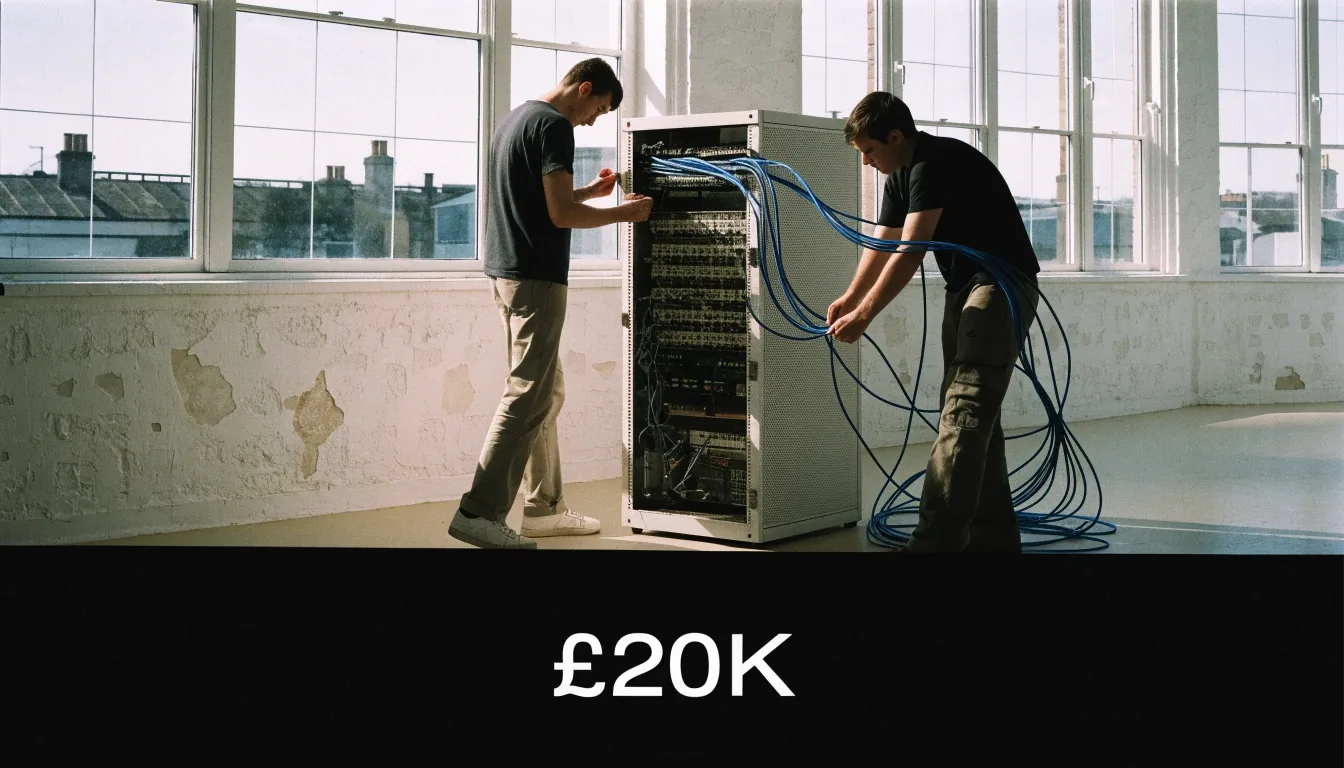
Engineers rewiring a legacy rack in a London workshop in daylight

London workshop — live migration

The platform changes. The service keeps running.

Custom software development in London, without stopping operations. Custom software, cloud modernisation and managed IT services for UK businesses that need systems to keep working while they change.

1 Broadgate, London · [email protected]

Start here

Software development and IT services in London

Oakhurst Technologies is a software development and IT services company based at 1 Broadgate, London, EC2M 2QS. We build custom software, modernise legacy platforms for the cloud, and run managed IT services for UK businesses that need systems to keep working while they change.

If you are deciding where to start, this page sets out the main routes we help with, what each one involves in practice, and which questions to ask before you commit to a project.

The running system

Why we start with the running system

Hands on cabling at a migration bench
The live service, changed underneath

Most clients do not have the option of switching everything off. A customer portal, a finance ledger, a warehouse system or a public-facing service has to answer users on Monday morning, including while code, infrastructure or suppliers change underneath it.

That constraint shapes our work from the first conversation. We map what is live, who depends on it, and what cannot break, then plan the change around those facts. It prevents a migration plan that only works on paper.

Custom software development for a specific job

Custom software makes sense when a standard product forces your team into workarounds, or when a process is central enough to your business that you want to own it. We build web applications, internal tools, APIs and data services for UK firms in regulated and public-sector-adjacent work, where audit trails and access control are part of the build, not an addition. Scope is agreed in small, testable releases — you see working software early, and the next release is decided with that evidence in mind.

Cloud modernisation while the service stays live

Cloud modernisation means moving workloads to cloud-native patterns, replacing fragile integrations, and putting deployment, monitoring and recovery on a footing you can repeat. We plan migrations in stages, with rehearsal runs, clear rollback points and a named owner for each go-live window.

Cloud Modernisation
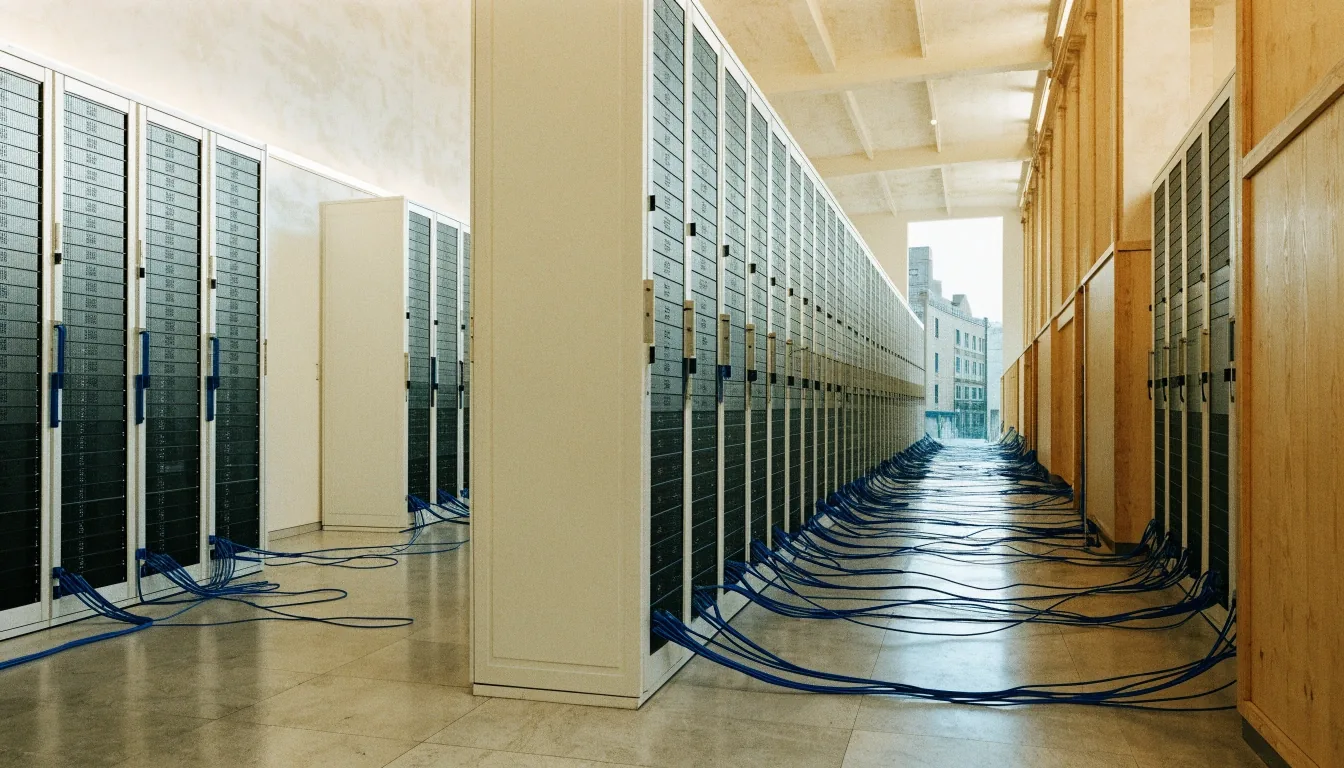
Legacy rack rows receding into daylight

Legacy racks, still answering on Monday morning

Day after go-live

Managed IT services for the day after go-live

A system that launches well can still drift: patches fall behind, accounts accumulate, and nobody owns the runbook. Our managed IT services cover service monitoring, patch and release discipline, backup checks, access reviews and first-line support for the systems we build and for platforms we are asked to operate.

You get a named contact and a regular report tied to service levels in your agreement, not a generic dashboard. Where a managed service is not a good fit, we will say so and hand over documented operations instead.

System integration, the unglamorous centre of most projects

Few UK businesses replace everything at once. A new CRM sits beside an older finance system, a cloud data store feeds a reporting tool that still expects a nightly file, and a supplier portal must talk to your identity provider. We design contracts between systems, version them, and test failure cases such as a supplier sending late data or a queue backing up overnight.

  • Contracts between systems, versioned and tested

  • Late data and overnight queues planned for

  • Identity and access checked at every join

Engineers at a bench with a live operations room behind them
Continuity, visible in the room
Bright modern equipment hall

The new platform, proven before the switch

Compare plainly

Platform engineering and product engineering, compared plainly

Buyers often compare custom software firms with product engineering consultancies as if they were the same thing. The right choice depends on whether you have product ownership in-house and whether the work will keep changing after launch.

Product engineering partner

Tends to own a roadmap and a backlog, and keeps making product decisions with you over time.

Ask who owns decisions, who owns the code repository, and who can change the system in year two.

Delivery partner

Tends to build to a specification and hand over a documented system you can run and change.

We work in both directions: building to an agreed specification, and helping you run a backlog with clear acceptance criteria.

Regulated industries and public-sector procurement

Work in financial services, health-adjacent services, education, local government and other public bodies carries extra questions about data handling, accessibility, record retention and supplier assurance. We help clients prepare evidence packs, data processing terms and technical documentation so those conversations do not arrive as a surprise at the end of delivery. We do not claim framework status we do not hold, and we will tell you plainly where a route is not realistic for your timescale.

Security and cyber resilience built into delivery

Cyber resilience is a practical matter of identity, access, patching, logging and recovery, not a label. We apply least-privilege access, separate environments for development and production, and tested backups for the systems we deliver. Where a client has its own security function, we work to its standards and record departures in writing. No supplier can promise that an incident will never happen — what a supplier can do is show the controls, the logs and the recovery steps that were actually tested.

Delivery models

Delivery models for mid-market businesses

Mid-market UK firms often need senior attention without a large programme team. Each model has costs and limits, and we set them out before work starts, including what changes cost and how change requests are approved. A short project with a clear end can be a better answer than a long retainer.

Fixed scope

Fixed-scope first release

A defined first release with agreed scope, so you can judge the work on working software rather than a long promise.

  • Testable scope
  • Clear end point

Monthly cadence

Small dedicated team

A small dedicated team on a monthly cadence, with senior attention and a backlog you can reprioritise as facts change.

  • Named team
  • Monthly planning

Time-boxed

Discovery, then a build decision

A short discovery followed by a build decision, with findings in writing so you can compare proposals on the same basis.

  • Written summary
  • Yours either way

AI, cloud skills and legacy integration in 2026

Buyers ask what matters more now: AI capability, cloud skills or legacy-system integration. In our experience with UK projects, integration and cloud fundamentals decide whether anything else works. An AI feature added to a system with poor data quality or unclear access controls creates risk, not value. We can help evaluate AI tools where a specific use case is clear, and we are direct about data and governance questions that must be answered first.

How to decide which service to explore first

Start with the problem that is costing you most: downtime, manual work, a system nobody can change, or a platform that cannot meet current security expectations. If the process is the problem, look at workflow and automation first. If the platform is the problem, look at modernisation and integration. If nobody owns operations, look at managed services. Use the Services page to compare the routes side by side, then contact us with the facts you already have.

Questions we hear

Before you commit

Can you modernise a system without disrupting daily operations?

Often yes, if the migration is staged and rehearsed. We plan cutovers in small steps, keep the existing service running until the replacement is proven, and agree rollback points before any go-live window.

Do you work with regulated and public-sector clients?

Yes, including work that requires security documentation, data handling terms and procurement evidence. Tell us your route and deadlines early so the paperwork can be planned alongside delivery.

What do you need from us to give a useful estimate?

A short description of the current system or process, who uses it, what needs to change, and any fixed dates such as contract renewals or procurement deadlines. Partial information is fine; we will list what we still need to confirm.

More questions? See FAQ.

Quiet control room at the end of a migration

Measured and closed

The platform changes. The service keeps running.

Bring the facts you already have — your system, your timeline, your constraints. A short conversation with documents on the table is more useful than a long sales call.